“A friendly, creative environment for learning together”
Eco Schools
Eco-Schools is an international award programme that guides schools on their sustainable journey, providing a framework to help embed these principles into the heart of school life.
The Eco-Schools framework consists of seven steps:
1. Eco-Committee
2. Environmental Review
3. Action Plan
4. Curriculum Links
5. Informing and Involving
6. Monitoring and evaluation
7. Eco-Code
The framework supports schools working on different environmental and sustainable topics. There are ten topics that you can choose to work on.
1. Biodiveristy
2. Energy
3. Gloabal Citezenship
4. Healthy Living
5. Litter
6. Marine
7. School Grounds
8. Transport
9. Waste
10. Water
Meet Eco Club
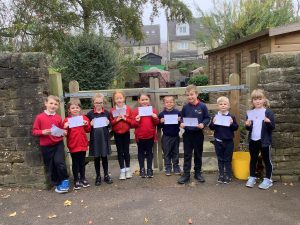
This year we are working towards getting our Green Flag Award. Eco Club meet regularly with Mrs Platts and Miss Travis to work on green issues in school.
This year they are working on
- biodiversity. In the school garden Eco club are creating new bug hotels, adding more bird feeders, looking after the school bee’s, planting a wild flower area, planting trees and growing their own plants.
- healthy living. Eco club have asked to create a vegetabl plot so can begin to grown their own fruit and vegeatbles. This year they have taken part in the “Grow your own potatoes project” and grown theor own strawberries. Everyone in school has took part in healthy week by creating their own fruit salads (FS), fruit kebabs (Y1) and fruit bugs (Y2).
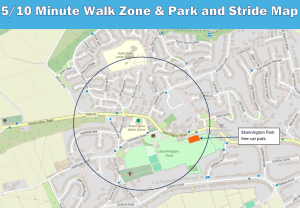
- transport by encouraging sustainable travel. As part of this work Eco Club have created a 5 minute walk zone around school. They would like for schildren to come to school in an active way or for families to park outside this zone and then walk to school. The chldren in Eco club also suggested an active travel breakfast.
Top tip – July
Our top tip for July is to be more active! Could you try to walk, scoot or bike to school?

Our School Planters
Eco club have been very busy putting new plants in our planters around school. They look beautiful and are full of colour for the summer! Thank you to Mrs Platts and Barry for helping us!
Top tip – June
Our top tip for June is to plant more trees and flowers in your garden and increase biodiversity in our local area.